
Génération et retouche avec Flux 2 Klein 9B
Modèle distillé rapide en 4 étapes FLUX.2 [klein] 9B pour la génération texte-vers-image et image-vers-image, avec contrôle flexible du format, de la résolution, du ratio et de la reproductibilité.
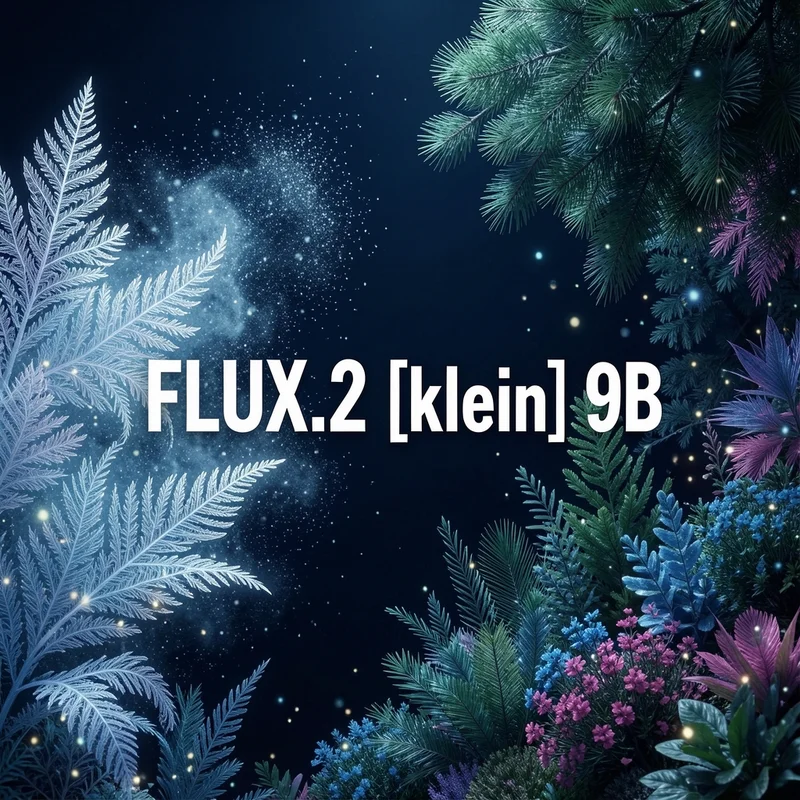
Aucune configuration requise · Entièrement personnalisable dans AI-Flow
Ce que fait cette application
Flux 2 Klein 9b est une version distillée en 4 étapes de FLUX.2 [klein], conçue comme un modèle fondation polyvalent pour une génération d’images rapide et de haute qualité. Il prend en charge les workflows texte-vers-image et image-vers-image, en vous donnant un maximum de souplesse et de contrôle sur le format, la résolution (mégapixels), le format de fichier, la qualité, les graines et les réglages de sécurité.
Capacités clés
Une génération rapide et fiable grâce à la distillation en 4 étapes
Texte-vers-image et image-vers-image avec jusqu’à 5 images de référence
Des formats flexibles, y compris l’alignement sur la première image d’entrée
Des résultats reproductibles avec une graine fixe
Un format de sortie (jpg/png/webp) et une qualité paramétrables
Des optimisations de vitesse optionnelles avec go_fast
Comment ça marche
Fournissez un prompt clair décrivant la scène, le style et les détails souhaités
Téléversez éventuellement jusqu’à 5 images pour guider la génération image-vers-image
Choisissez un format (ou utilisez match_input_image pour reprendre celui de votre première image)
Réglez les mégapixels pour contrôler la résolution de sortie et le coût
Sélectionnez le format de fichier et la qualité ; le PNG ignore le réglage de qualité
Définissez une graine pour des rendus reproductibles, ou laissez-la vide pour plus de variété
Entrées
prompt (requis) — description en langage naturel pour la génération
images (optionnel) — jusqu’à 5 images d’entrée (jpeg, png, gif, webp) pour l’image-vers-image
aspect_ratio (optionnel) — 1:1, 16:9, 9:16, 3:2, 2:3, 4:3, 3:4, 5:4, 4:5, 21:9, 9:21 ou match_input_image
megapixels (optionnel) — budget de résolution de sortie (0,25, 0,5, 1, 2, 4)
seed (optionnel) — entier pour une génération reproductible
go_fast (optionnel) — optimisations orientées vitesse
output_format (optionnel) — webp, jpg ou png
output_quality (optionnel) — qualité de 0 à 100 pour les formats avec perte (ignorée pour le png)
disable_safety_checker (optionnel) — active ou désactive le filtrage de sécurité (à utiliser de façon responsable)
Résultat - Un tableau d’URL (URI) pointant vers la ou les images générées
Remarque sur la tarification - Estimation : 0,211 crédit par mégapixel, images d’entrée et de sortie confondues (le coût réel dépend des mégapixels choisis et du nombre d’images d’entrée)
Bonnes pratiques
Soyez précis et concis dans vos prompts ; indiquez le sujet, le style, l’éclairage et des repères de composition
En image-vers-image, utilisez match_input_image pour préserver le cadrage
Augmentez les mégapixels pour l’impression ou les travaux détaillés ; restez à 1 MP pour des brouillons rapides
Utilisez le PNG pour des contours et graphiques sans perte ; le JPG ou le WebP pour des fichiers plus légers
Fixez une graine pour itérer de façon cohérente en ne changeant qu’une variable à la fois
Comment utiliser l’application
Voici ce que vous obtenez en ouvrant l’application : un formulaire court, un bouton d’exécution et vos résultats, sans nœuds ni configuration.
Flux 2 Klein 9B
Aperçu de l’applicationRemplissez le formulaire
Prompt
RequisSaisissez prompt…
Aspect Ratio
1:1
Images
Ajouter des images ou des fichiers
Megapixels
1
Output Format
jpg
+2 options supplémentaires dans l’application
≈ 1 crédits / exécution
Récupérez votre résultat
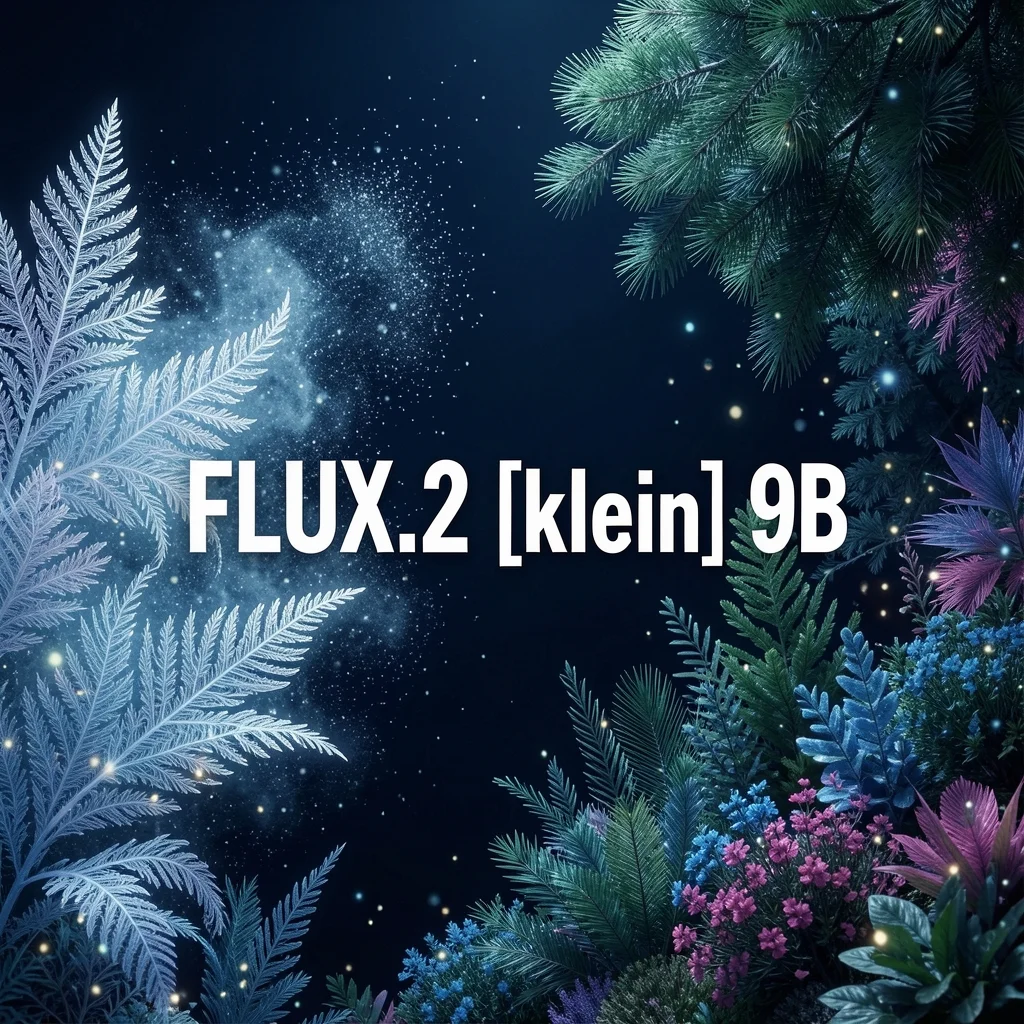
Résultat réel généré avec cette application
Sous le capot
Vous souhaitez plus de contrôle ?
Cette application repose sur un workflow AI-Flow entièrement modifiable. Changez le modèle, les prompts, la disposition ou la résolution, ou connectez-le à d’autres étapes.
Text
A surreal underwater or cosmic garden scene with bioluminescent flora against a deep navy blue to black background. Delicate, feather-like structures in pale icy blue and white emerge from the left side, resembling ethereal ferns or coral fronds with intric...
List
Références ou fichiers facultatifs.
Flux 2 Klein 9b
Comment utiliser ce template
Étape 1 : Saisissez votre texte dans le nœud « Texte »
Dans le nœud « Texte », saisissez vos instructions.
A surreal underwater or cosmic garden scene with bioluminescent flora against a deep navy blue to black background. Delicate, feather-like structures in pale icy blue and white emerge from the left side, resembling ethereal ferns or coral fronds with intricate fractal patterns. These luminous fronds transition into a cloud-like dispersal of particles and spores floating through the dark space, creating a dreamy, ethereal atmosphere. On the right side, dense clusters of vegetation in deep greens, blues, and purple-pink tones form an organic canopy. The foliage includes pine-like needles, flowering bushes in blue and magenta hues, and various plant forms creating depth and texture. Small glowing particles and orbs of light are scattered throughout the scene like floating pollen or bioluminescent plankton. The overall composition creates a mystical, otherworldly environment that blends elements of deep sea bioluminescence with alien botanical landscapes. Cinematic lighting with cool color palette dominated by blues, teals, and deep greens. Photorealistic rendering with soft focus effects and atmospheric depth. With large white text in the center: "FLUX.2 [klein] 9B"
Étape 2 : Importez vos fichiers
Dans le nœud « Liste », importez les fichiers que vous souhaitez utiliser dans le workflow.
Étape 3 : Exécutez le workflow
Cliquez sur le bouton « Exécuter » pour lancer le workflow et obtenir le résultat final.
Personnalisez le workflow sous-jacent
Ouvrez le workflow complet dans l’éditeur AI-Flow pour changer de modèle, réécrire les prompts ou le connecter à d’autres étapes.
À qui s’adresse ce template ?
Idéal pour les professionnels et les créateurs qui souhaitent simplifier leur workflow
Designers et directeurs artistiques
Explorez rapidement des directions visuelles, itérez sur vos compositions et affinez le style avec un contrôle précis du format, de la résolution et du fichier de sortie.
Marketeurs et équipes de marque
Générez rapidement des visuels de campagne, des supports sociaux et des variantes publicitaires fidèles à la marque, avec des réglages reproductibles pour les validations.
Artistes jeu vidéo et concept artists
Prototypez univers, accessoires et personnages à partir de prompts textuels ou d’images de référence pour orienter l’ambiance visuelle.
Équipes produit et UX
Créez des maquettes, des illustrations de fonctionnalités et des visuels d’appui à l’interface, dans des formats cohérents.
Développeurs et ingénieurs ML
Intégrez une génération d’images rapide et contrôlable dans vos pipelines ; évaluez l’impact de la distillation, des graines et des paramètres.
Créateurs de contenu
Produisez miniatures, couvertures et visuels éditoriaux avec des rendus reproductibles et une gestion efficace de la résolution.
Prêt à créer ?
Commencez à utiliser cette application
Aucune configuration requise — ouvrez l’application et commencez à créer en quelques minutes
Vous aimerez peut-être aussi
Explorez d’autres templates puissants pour enrichir votre workflow IA

Génération d’images avec GPT Image 2.5 Flare
Générez des images haute fidélité avec GPT Image 2.5 Flare, optimisé pour la typographie réaliste, les écritures multilingues, les mises en page structurées et les formats prêts à imprimer jusqu’en 4K, pour affiches, bandes dessinées, marketing, maquettes UI et réseaux sociaux.
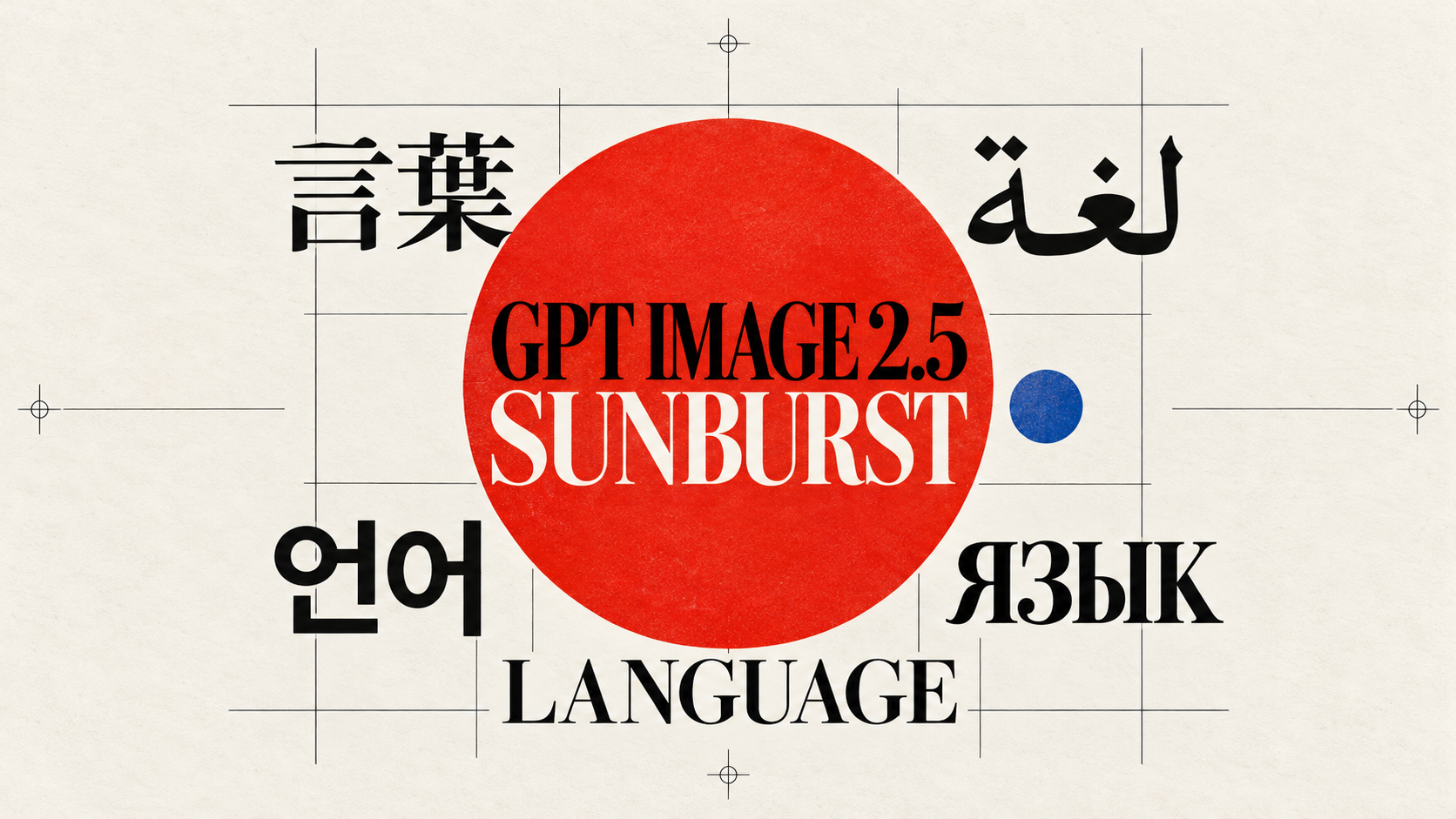
Génération d’images avec GPT Image 2.5 Sunburst
Générez des images haute fidélité avec GPT Image 2.5 Sunburst, optimisé pour la typographie réaliste, les écritures multilingues, les mises en page structurées et les formats prêts à imprimer jusqu’en 4K, pour affiches, bandes dessinées, marketing, maquettes UI et réseaux sociaux.
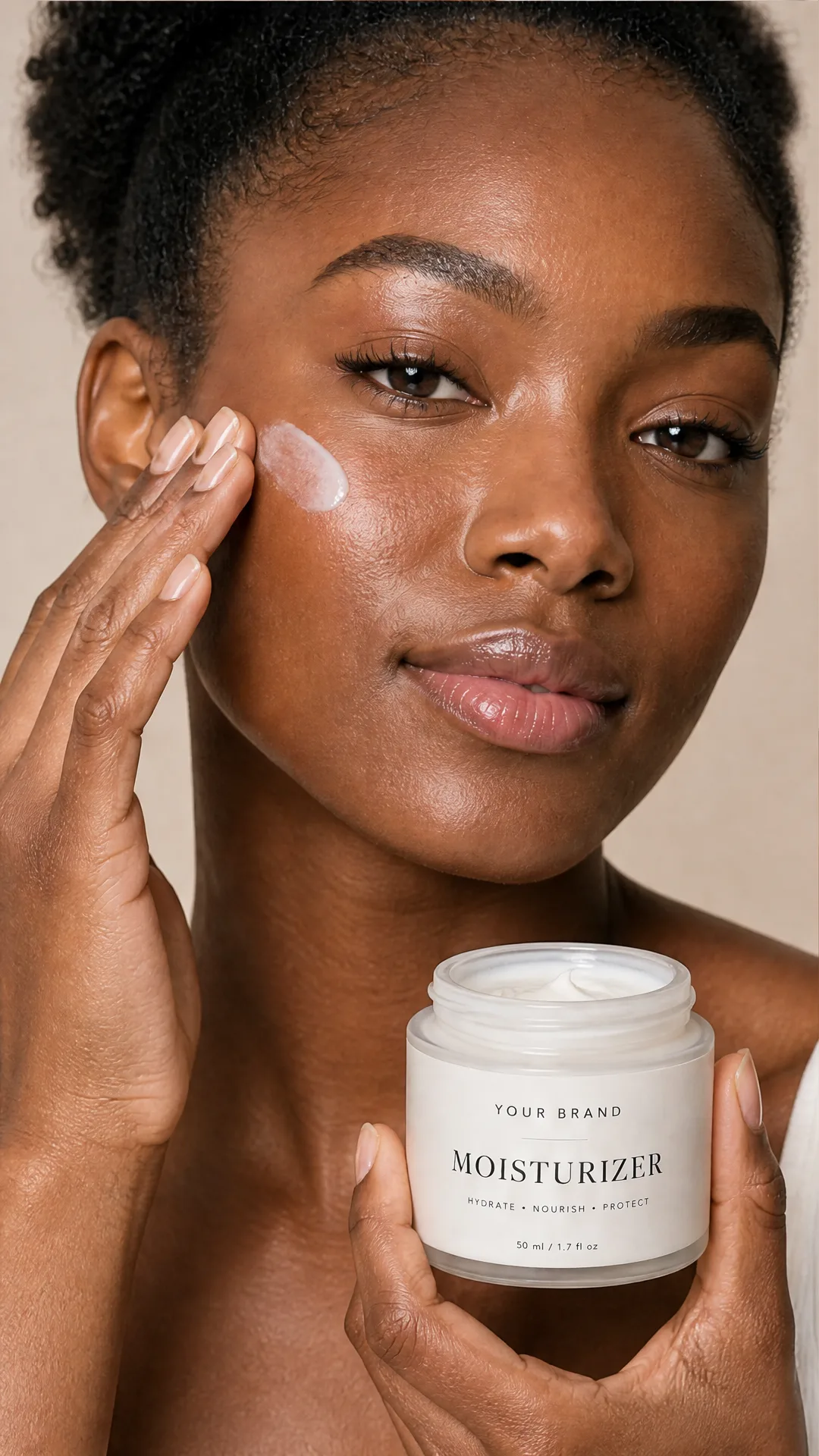
Générateur IA de photos produit de soin
Transformez une seule image de crème, de sérum ou de pot cosmétique en shooting complet : une grille 2 × 2 et quatre visuels recadrés (plan large, plan moyen, gros plan, angle créatif), porté ou produit seul, pour l'e-commerce beauté, les marketplaces et la publicité.

Générateur IA de photos produit de crème solaire
Transformez une seule image de tube ou de flacon solaire en shooting complet : une grille 2 × 2 et quatre visuels recadrés (plan large, plan moyen, gros plan, angle créatif), porté ou produit seul, pour l'e-commerce beauté, les marketplaces et la publicité.
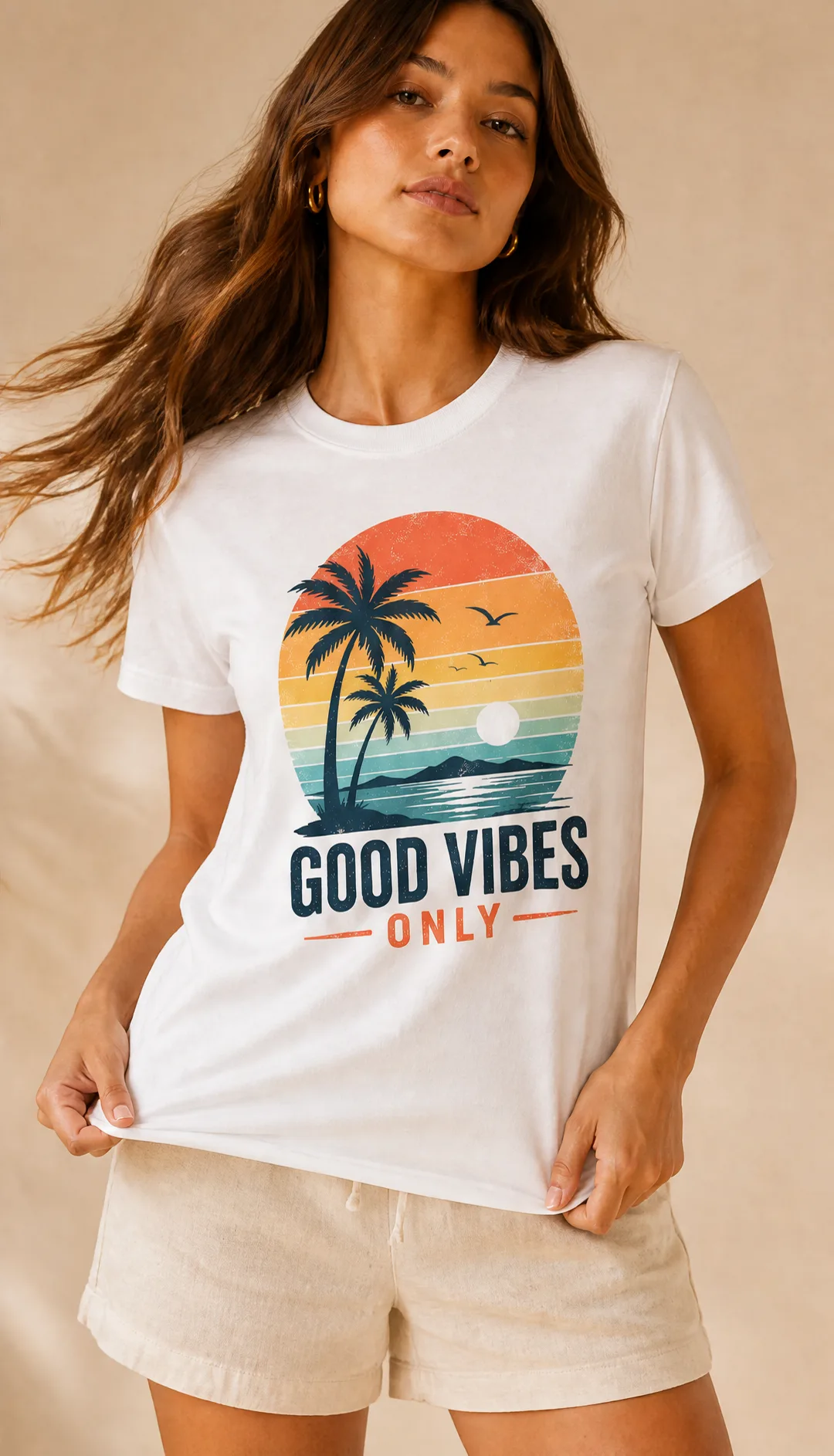
Générateur IA de mockups de t-shirts
Transformez une seule image de t-shirt en mockups print-on-demand portés : une grille 2 × 2 et quatre visuels recadrés (plan large, plan moyen, gros plan sur l'impression, angle créatif), pour Etsy, Shopify et vos boutiques POD.
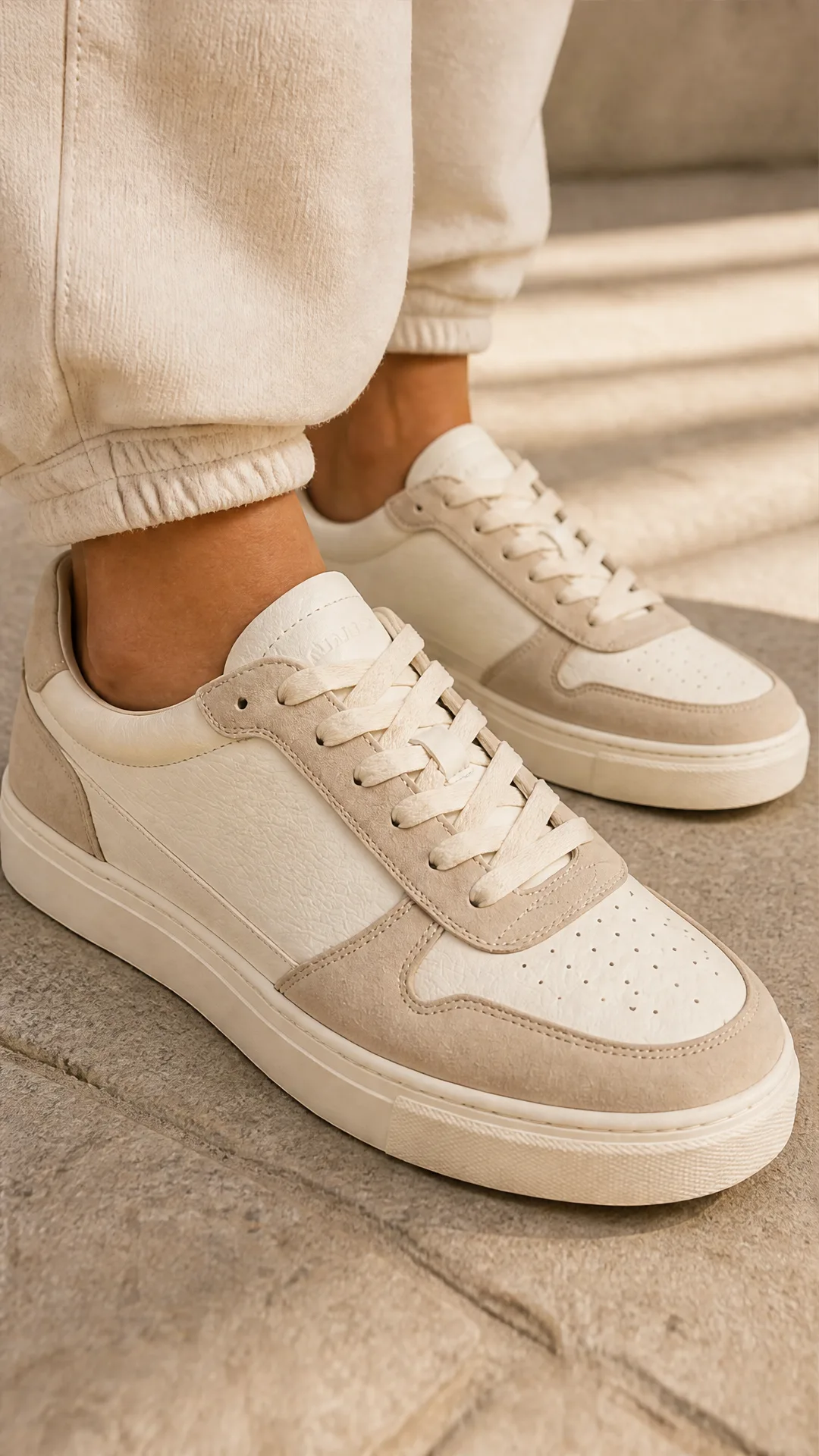
Générateur IA de photos produit de sneakers
Générez des photos produit de sneakers à partir d'une seule image de chaussure : une grille 2 × 2 et quatre visuels recadrés (plan large, plan moyen, gros plan, angle créatif), en mode porté ou produit seul, pour vos fiches e-commerce, marketplaces et publicités.
Questions fréquentes
Qu’est-ce que Flux 2 Klein 9b ?
Une variante distillée en 4 étapes de FLUX.2 [klein] (9 milliards de paramètres), conçue pour une génération texte-vers-image et image-vers-image rapide et de haute qualité, avec des réglages fins de format, de résolution, de fichier de sortie et de reproductibilité.
Comment l’utiliser en image-vers-image ?
Téléversez jusqu’à 5 images (jpeg, png, gif ou webp), rédigez un prompt décrivant la transformation ou le style souhaité, et réglez si besoin aspect_ratio sur match_input_image pour préserver le cadrage. Ajustez les mégapixels pour la taille de sortie et définissez une graine pour la reproductibilité.
Quels formats sont pris en charge ?
Choisissez parmi 1:1, 16:9, 9:16, 3:2, 2:3, 4:3, 3:4, 5:4, 4:5, 21:9, 9:21, ou utilisez match_input_image pour reprendre le format de la première image téléversée.
Que contrôle le paramètre megapixels ?
megapixels définit le budget de résolution en sortie (0,25, 0,5, 1, 2 ou 4 MP). Les valeurs élevées produisent des images plus grandes et plus détaillées, mais augmentent le coût de calcul. Choisissez selon votre usage (brouillon ou version finale).
Comment obtenir des résultats reproductibles ?
Fixez la graine (seed) sur un entier précis. Avec le même prompt, les mêmes entrées et les mêmes paramètres, une graine identique donne des rendus reproductibles. Laisser la graine vide introduit de la variation.
Quand utiliser le PNG plutôt que le JPG ou le WebP ?
Utilisez le PNG pour des contours nets, des graphiques ou de la post-production sans perte ; utilisez le JPG ou le WebP pour des fichiers plus légers. output_quality agit sur le JPG et le WebP mais est ignoré pour le PNG.
À quoi sert go_fast ?
go_fast active des optimisations supplémentaires pour des prédictions plus rapides, idéales pour les brouillons et l’itération rapide. Pour une fidélité maximale, vous pouvez le désactiver.
Puis-je désactiver le contrôle de sécurité ?
Oui, via disable_safety_checker. Ne le désactivez que si votre usage respecte l’ensemble des politiques de contenu et des lois applicables, et si vous disposez de garde-fous appropriés.
Quels types de fichiers puis-je téléverser, et combien ?
Vous pouvez téléverser jusqu’à 5 images aux formats jpeg, png, gif ou webp pour la génération image-vers-image.
Que renvoie l’API ?
Un tableau d’URI (URL) vers la ou les images générées. Vous pouvez les télécharger ou les traiter dans votre pipeline selon vos besoins.
Qu’est-ce qu’AI-FLOW et comment peut-il m’aider ?
AI-FLOW est une plateforme d’IA tout-en-un qui vous permet de créer, d’intégrer et d’automatiser des workflows alimentés par l’IA grâce à une interface intuitive en glisser-déposer. Débutant ou expert, vous pouvez combiner plusieurs modèles d’IA pour créer des solutions innovantes sans écrire de code.
Un essai gratuit est-il disponible ?
Oui, AI-FLOW propose un essai gratuit pour commencer. Vous pouvez ensuite acheter des crédits selon vos besoins, sans abonnement ni engagement à long terme.
Puis-je intégrer mes clés API OpenAI, Replicate et d’autres fournisseurs dans la version Cloud d’AI-FLOW ?
Oui, vous pouvez facilement intégrer vos propres clés API à AI-FLOW. Les nœuds associés utiliseront alors votre clé, ce qui réduit considérablement votre consommation de crédits sur la plateforme.