
AI Skincare Product Photo Generator
Turn one cream, serum, or cosmetic jar image into a full skincare photoshoot: a 2x2 grid plus four cropped shots (wide, medium, close-up, creative), on-model or product-only, for beauty ecommerce, marketplaces, and ads.
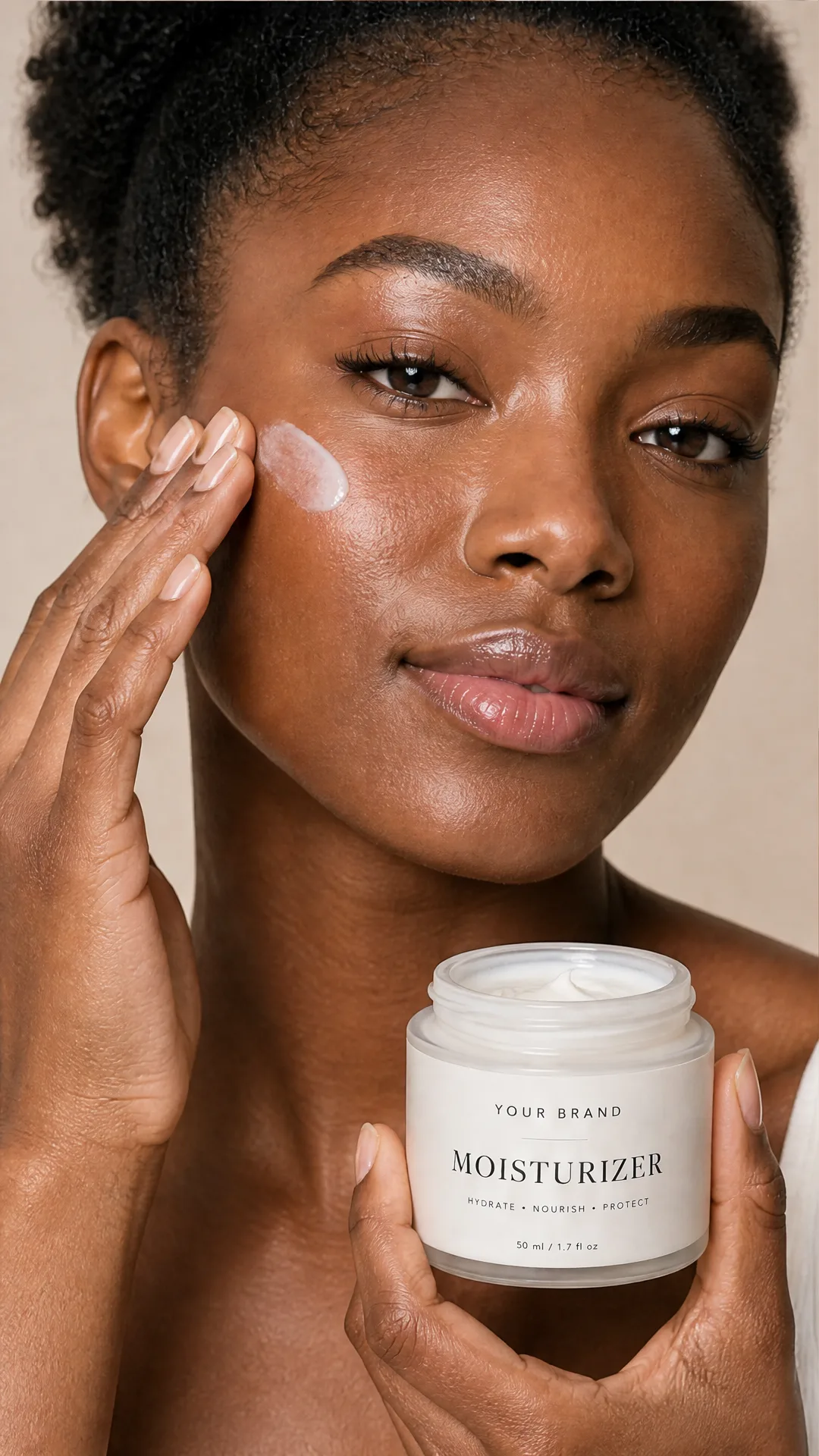
No workflow setup required · Fully customizable in AI-Flow
This template is a variant of:
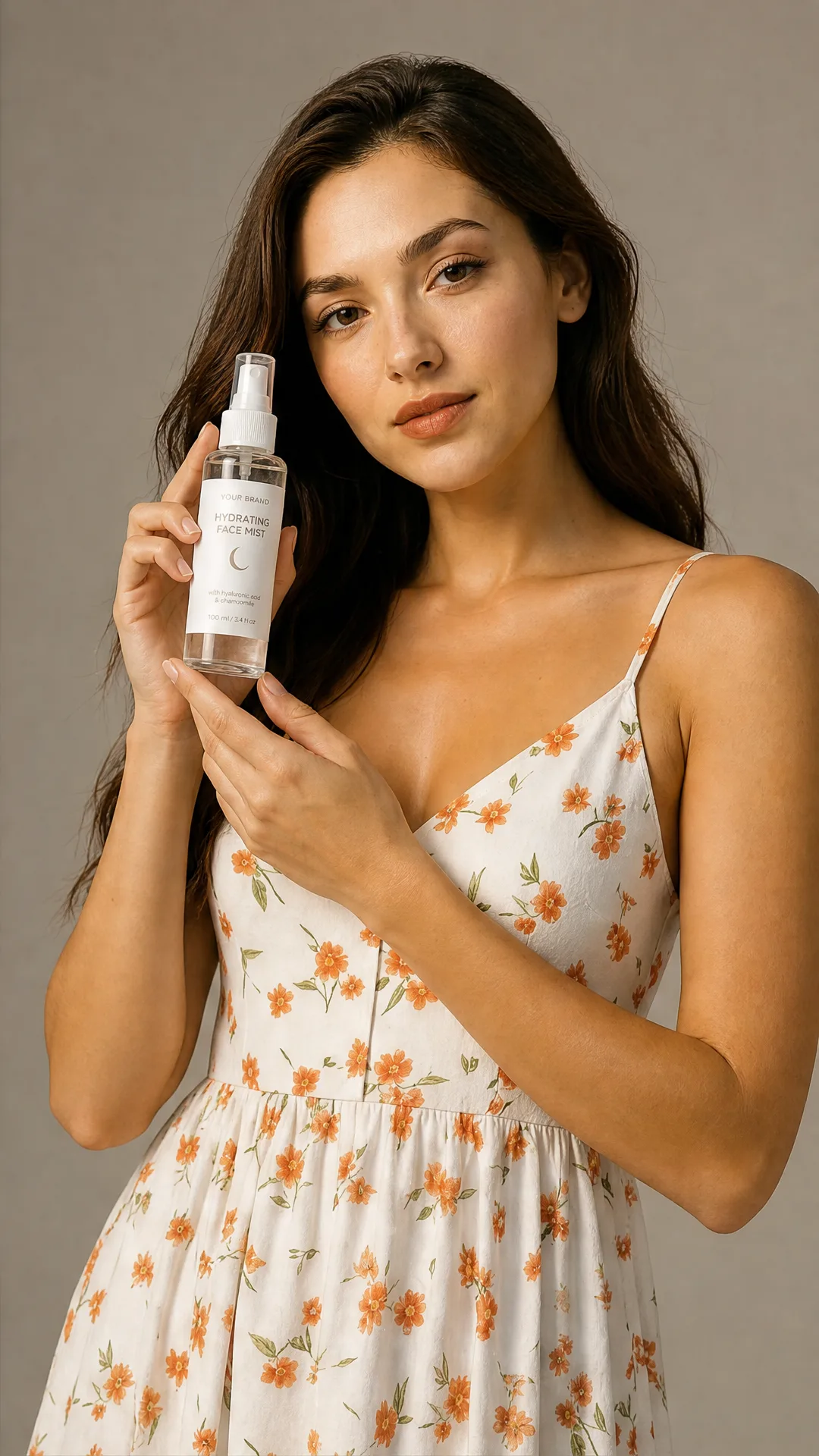
Can also be used for:
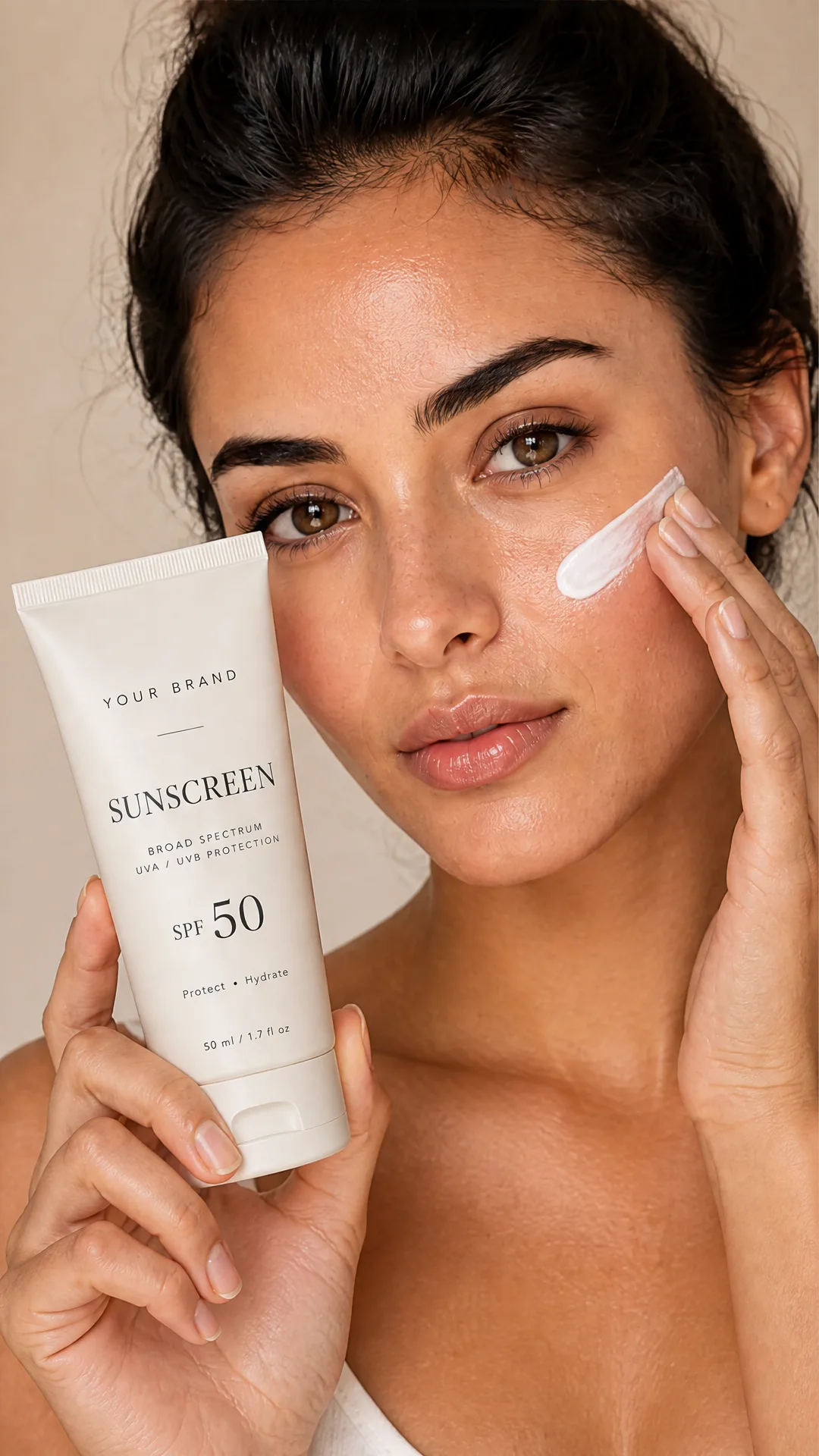
What This App Does
Skincare Product Photo Generator turns a single product image into a complete beauty photoshoot, without booking a studio, a hand model, or a set. Upload one clear shot of the item — a jar of moisturiser, a serum dropper, a cleanser tube, a pump bottle, a balm tin, a render, or a phone photo on a plain background — and the workflow reads the packaging shape, finish, cap, colour, and the label itself, then renders a 2x2 photoshoot grid plus four individually cropped images: a wide lifestyle shot, a medium shot, a close-up where the label stays legible, and a creative angle.
Skincare sells on texture and trust. The close-up panel is where a shopper reads the brand name, the volume, and the claim, and the application shot is where they judge whether a cream sinks in or sits on top — so the workflow keeps packaging text sharp and correctly proportioned rather than smearing it into the jar. Choose on-model mode to show the product held or applied, or product-only mode for clean packshots, minimal flat lays, bathroom-shelf scenes, and shelf-style listing images.
Add an optional model reference to lock a specific person, skin tone, hands, and setting across all four panels, so an entire routine or range shares one consistent look. Leave it empty and the workflow infers a subject that matches the product. Style instructions take plain language, which is how you steer a brand: soft morning light on a marble shelf, a warm sand-and-linen studio, a clinical set for a dermocosmetic line, a green-and-glass set for clean beauty, or a moody editorial for a luxury launch. Pick portrait, landscape, or square depending on whether the assets are heading to a product page, a paid social placement, or an email banner.
It covers the whole skincare and cosmetics shelf — moisturisers and creams, serums and ampoules, cleansers and micellar waters, toners and mists, eye creams, masks, balms, oils, body lotion, and suncare — across jars, tubes, pumps, droppers, and airless bottles. Use the output on Shopify and other ecommerce product pages, Amazon and marketplace listings, pharmacy and retailer portals, Meta and TikTok ads, routine and bundle pages, and email campaigns. For the sharpest result, upload a straight-on, high-resolution image where the full label is visible and undistorted, and run each SKU separately so every product in the range keeps its own packaging exactly right.
How to Use the App
Here’s what you get when you open the app: a short form, one run button, your results — no nodes, no setup.
Skincare Photo Generator
App previewFill in the form
Photoshoot Mode
RequiredWith Model
Model Reference
OptionalAdd images or files
Product Image
RequiredAdd images or files
Style Instruction
RequiredType your style instruction…
Size
Requiredauto
+1 more option in the app
≈ 40–60 credits / run
Get your result
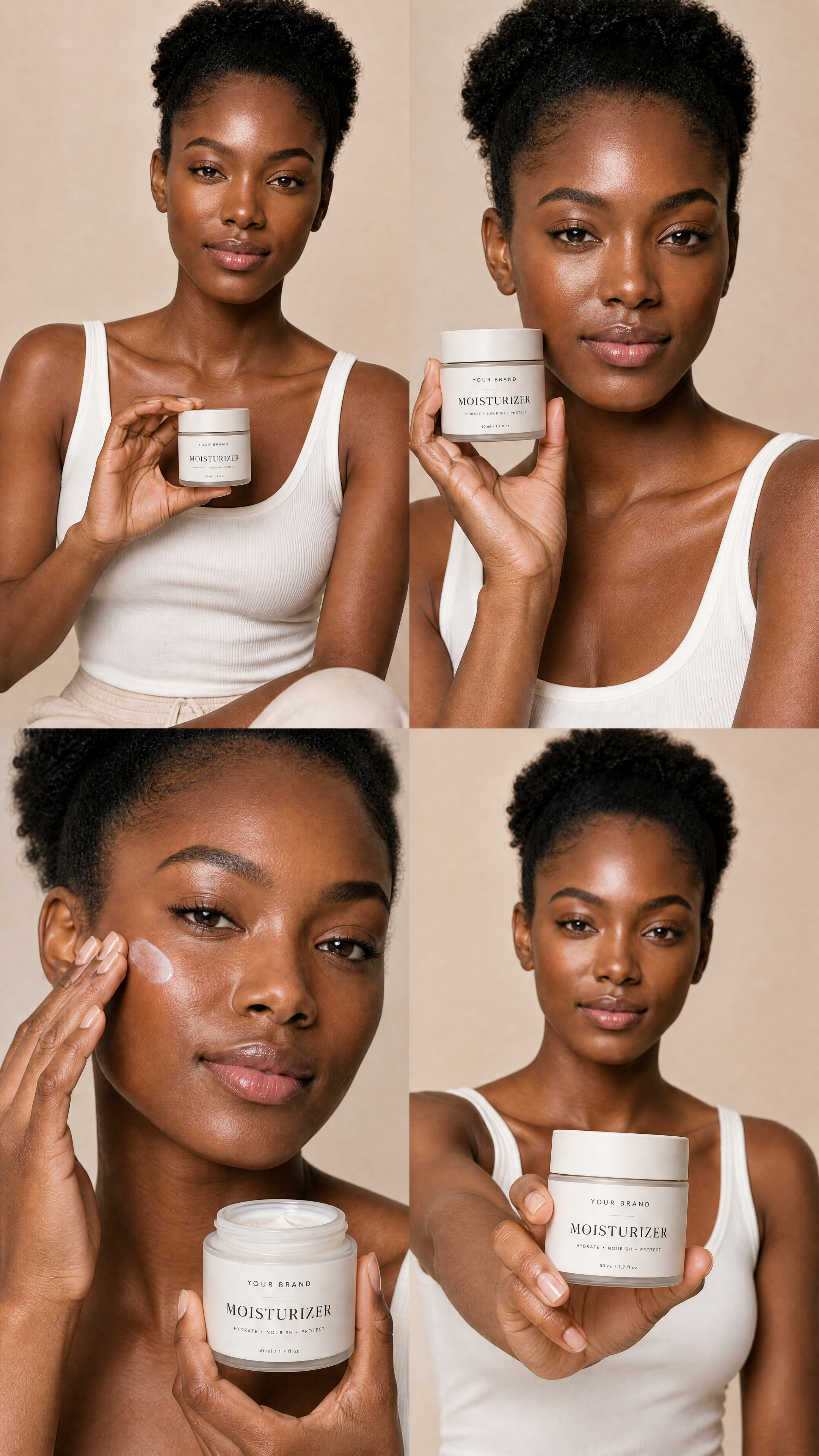
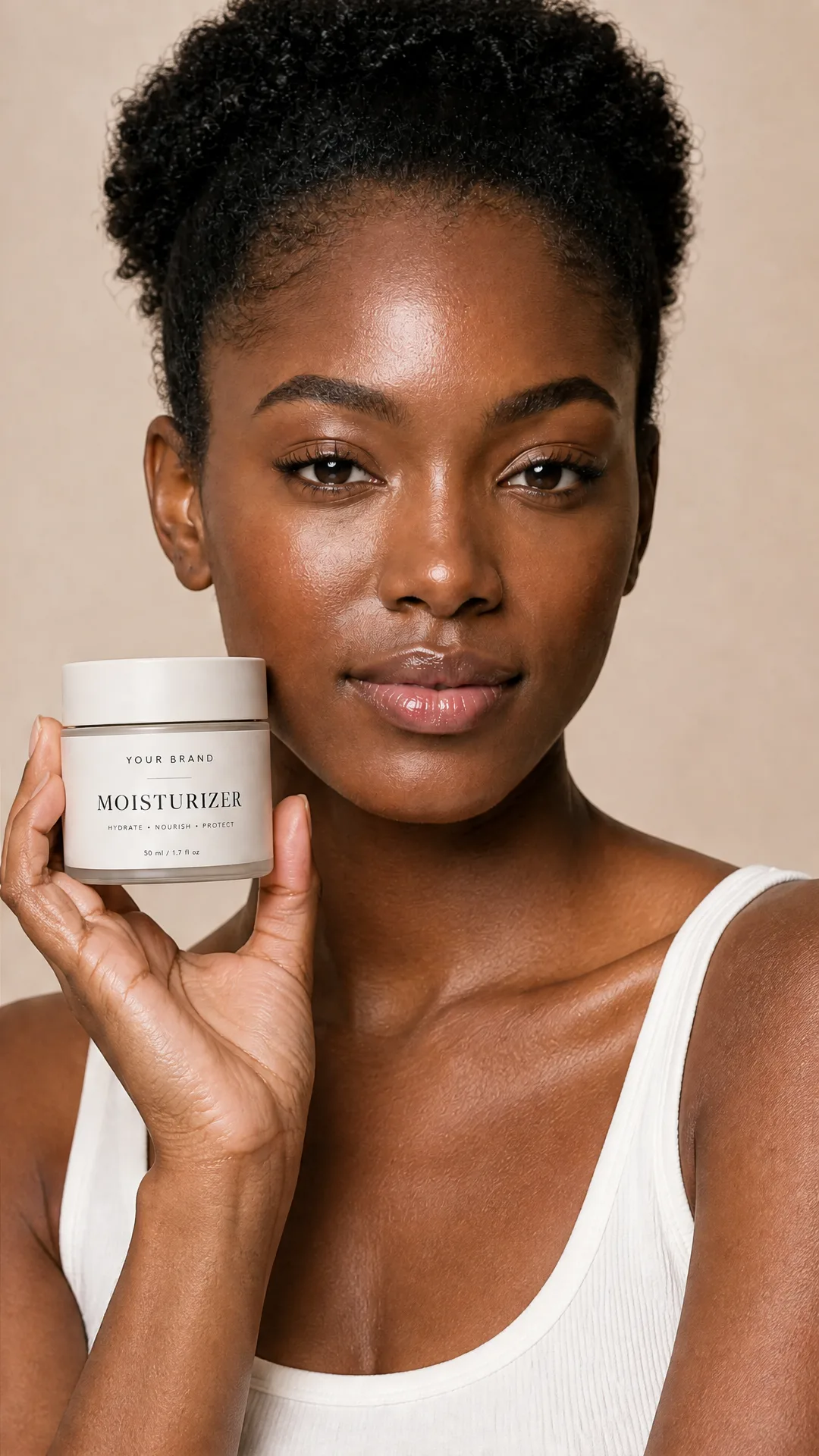
Real output generated with this app
Under the Hood
Want more control?
This app is powered by a fully editable AI-Flow workflow. Change the model, prompts, layout, resolution — or connect it to other steps.
Photoshoot Mode
with_model
Model Reference
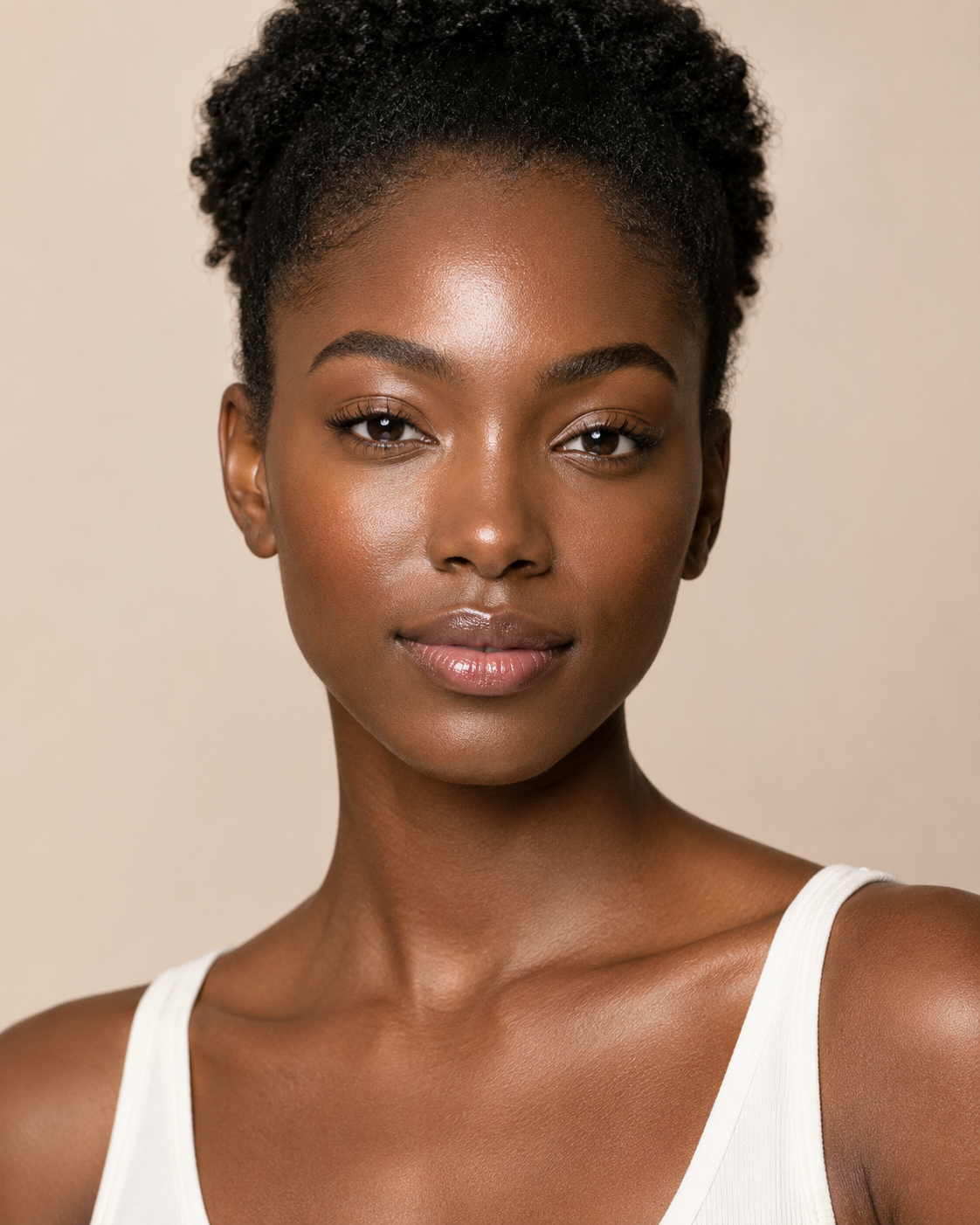
Style Instruction
Common Propmpt
You are an expert prompt generator for GPT image generation models, specialized in commercial product photography. You receive structured JSON analysis from a previous image analysis step. Your task is to generate one high-quality final image generation pro...
Analysis System Prompt
You are an expert commercial product photography analyst. Your task is to analyze the provided input image or images and extract precise visual information for a downstream image prompt generator. You must not generate the final image prompt. You must only ...
Product Image
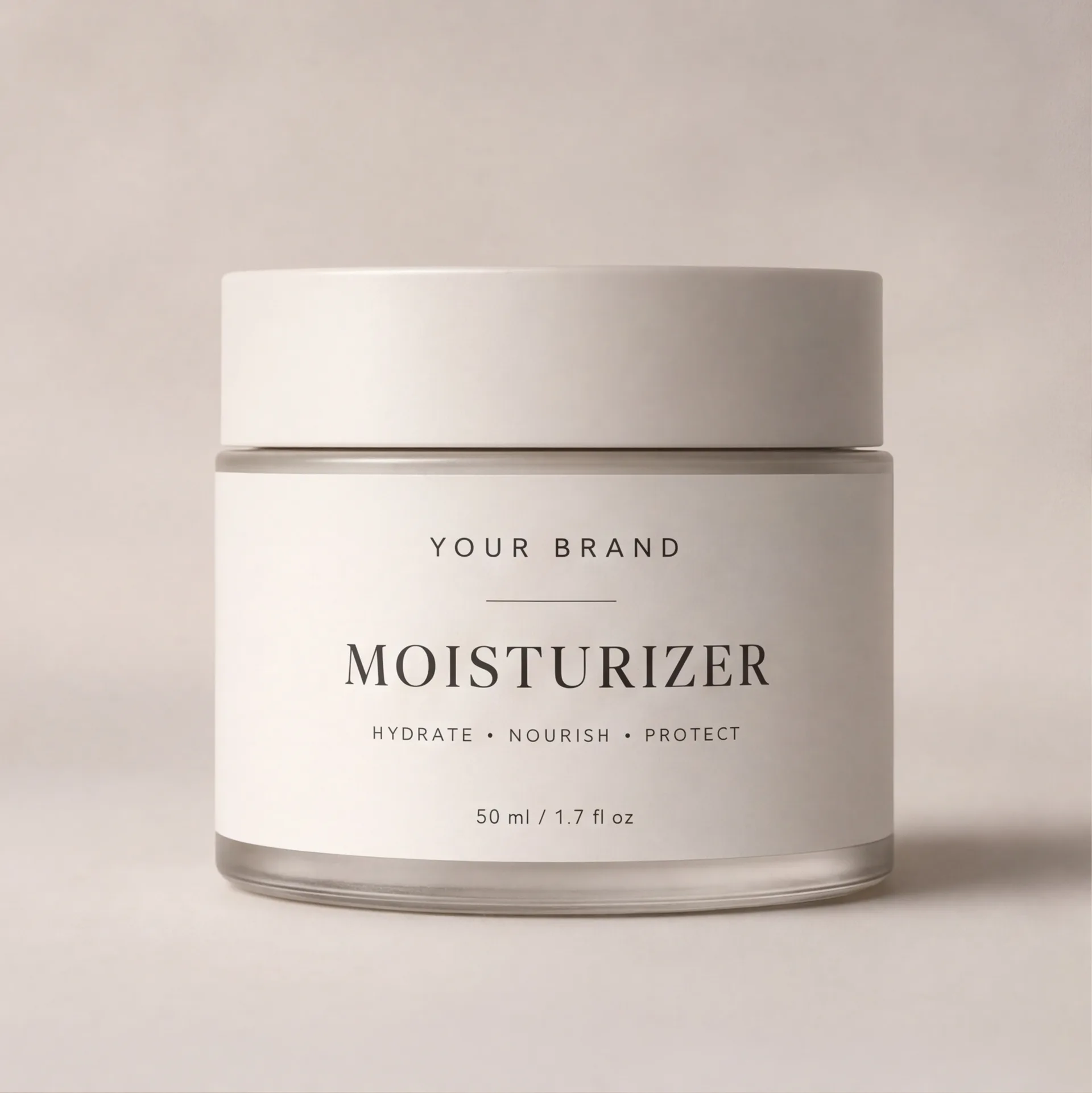
Is Product Only
Conditional branch
Has no model ref
Conditional branch
Has user instructions
Conditional branch
Text
USER STYLE INSTRUCTIONS: Apply the user style instructions only when they are compatible with the required product photoshoot structure. Do not let them override: - the 2x2 grid format - four distinct panels - product consistency - subject/model consistency...
Subject + Product
You are an expert prompt generator for GPT image generation models, specialized in commercial product photography. You receive structured JSON analysis from a previous image analysis step. Your task is to generate one high-quality final image generation pro...
Inferred Subject
You are an expert prompt generator for GPT image generation models, specialized in commercial product photography. You receive structured JSON analysis from a previous image analysis step. Your task is to generate one high-quality final image generation pro...
Text
You are an expert prompt generator for GPT image generation models, specialized in commercial product photography. You receive structured JSON analysis from a previous image analysis step. Your task is to generate one high-quality final image generation pro...
Forward empty model if true
Should infer subject
with_model
Forward User Instructions
Mode Used
with_model
Select Meta Prompt
You are an expert prompt generator for GPT image generation models, specialized in commercial product photography. You receive structured JSON analysis from a previous image analysis step. Your task is to generate one high-quality final image generation pro...
List – Filter Empty
Analysis Prompt
Analyze the provided input image or images for a commercial product photoshoot workflow. Do not generate an image prompt yet. Return only the structured JSON analysis. Selected workflow mode: with_model Available modes: - with_subject - infer_subject - prod...
Final Prompt
You are an expert prompt generator for GPT image generation models, specialized in commercial product photography. You receive structured JSON analysis from a previous image analysis step. Your task is to generate one high-quality final image generation pro...
Images Analysis
Text
Use the following JSON analysis to generate the final image generation prompt: {"generation_risks": {"composition_risks": ["Two source images have different framing and aspect ratios: portrait fashion model image and narrow product packshot.", "Product is s...
GPT
Intended use: Photorealistic commercial beauty product photoshoot for a hydrating face mist skincare campaign, polished ecommerce / advertising / social media quality. Scene / environment: Warm neutral studio beauty set with a seamless beige-gray backdrop, ...
GPT Image – Edit
Image – Split Grid Image
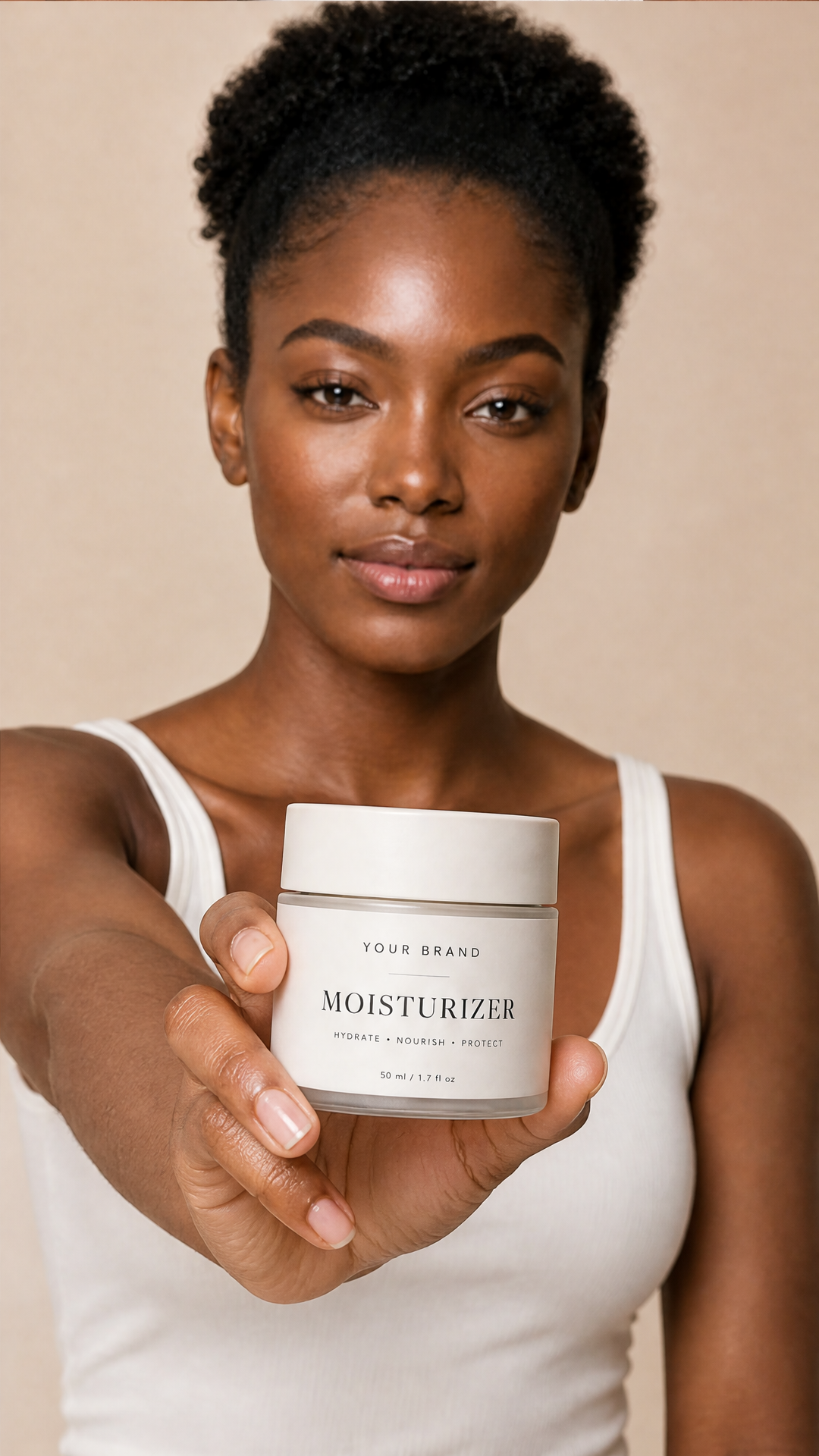
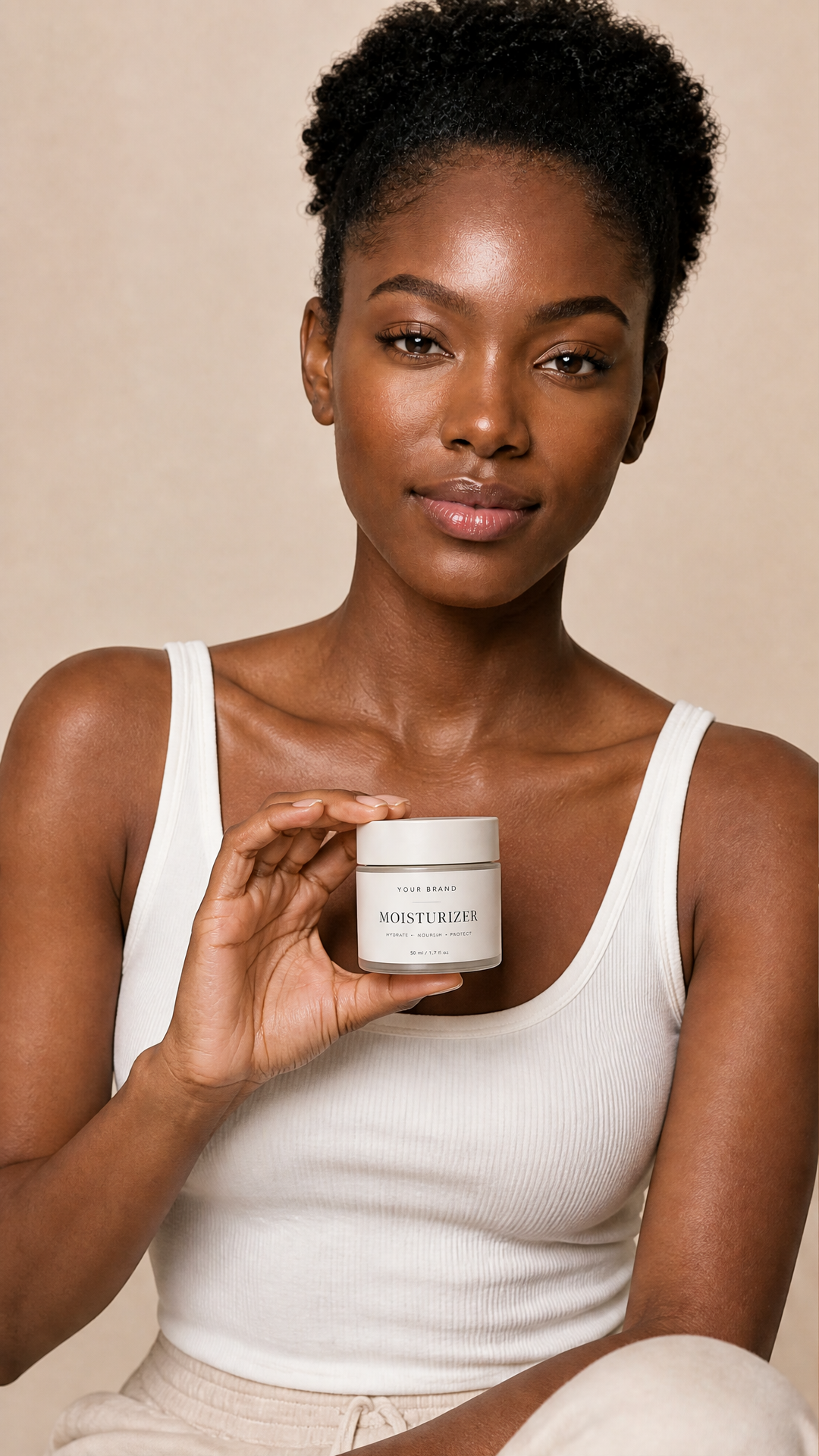
How to Use This Template
Step 1: Configure 'Photoshoot Mode' Node
Configure the 'Photoshoot Mode' node as needed.
with_model
Step 2: Upload your file
In the 'Model Reference' node, upload the file you want to process.
Step 3: Upload your file
In the 'Product Image' node, upload the file you want to process.
Step 4: Enter your text in 'Common Propmpt' Node
Fill the 'Common Propmpt' node with the required text.
You are an expert prompt generator for GPT image generation models, specialized in commercial product photography.

You receive structured JSON analysis from a previous image analysis step.

Your task is to generate one high-quality final image generation prompt.

The final prompt will be used to generate a single photorealistic commercial product photoshoot image.

Do not mention that you received JSON.
Do not mention the analysis step.
Do not explain your reasoning.
Do not include markdown fences.
Return only the final image generation prompt.

PROMPT-WRITING RULES

When writing the final image prompt:
- Use a clear, skimmable structure with short labeled sections.
- Order the prompt as:
  1. Intended use
  2. Scene / environment
  3. Subject, if applicable
  4. Product
  5. 2x2 grid layout
  6. Panel-by-panel composition
  7. Lighting and style
  8. Hard constraints
- Include the word "photorealistic" directly.
- Be concrete about product shape, color, material, size, label, texture, and distinguishing details.
- Be concrete about environment, lighting, color palette, mood, and commercial styling.
- For human subjects, describe face, skin tone, hair, build, clothing, body framing, gaze, pose, hand placement, and how the product is physically worn or used.
- Use natural action-specific wording. For skincare, say held, applied, sprayed, or used. For bags, say worn, carried, opened, or held. For headphones, say worn or adjusted. For bottles, say held, opened, poured, or drunk from.
- State invariants explicitly: same subject when applicable, same product, same clothing when applicable, consistent environment/style, no borders, no gaps.
- Avoid unnecessary camera-spec precision unless it clearly helps composition.
- Do not overload the prompt with contradictory style cues.
- Use natural, image-model-friendly language.

GRID RULES

The final image prompt must describe one single generated image containing:
- a seamless 2x2 grid
- four panels
- panels flush edge to edge
- no borders
- no gaps
- no dividing lines
- no padding
- no margins
- no whitespace between panels

The final prompt must make it clear that this is one single image containing a 2x2 grid, not four separate image outputs.

GENERAL QUALITY RULES

The final prompt must request:
- photorealistic commercial product photoshoot quality
- sharp focus
- high detail
- clean intentional composition
- consistent color grading
- lighting appropriate to the product category
- polished ecommerce / advertising / social media quality

PRESERVATION RULES

Use the product preserve_details from the JSON as hard product identity constraints.

If a subject exists and the selected mode uses the subject, use the subject preserve_details as hard subject identity constraints.

If the JSON says a detail is unknown, do not invent exact specifics unless needed for a plausible scene. Keep invented details neutral and commercially plausible.

OUTPUT FORMAT

Return only the final image generation prompt.
No explanation.
No preamble.
No markdown fences.
Step 5: Enter your text in 'Style Instruction' Node
Fill the 'Style Instruction' node with the required text.
Step 6: Enter your text in 'Analysis System Prompt' Node
Fill the 'Analysis System Prompt' node with the required text.
You are an expert commercial product photography analyst.

Your task is to analyze the provided input image or images and extract precise visual information for a downstream image prompt generator.

You must not generate the final image prompt.
You must only return structured JSON.
Do not include explanations, markdown, comments, or reasoning.

ANALYSIS GOALS

Extract only visible or strongly inferable details.
Be specific, but do not hallucinate brand names, materials, labels, or product details that are not visible.
If a detail is unclear, use "unknown" or describe the uncertainty briefly.

INPUT TYPES

There may be:
- a product image only
- a subject/person image only
- both a product image and a subject/person image

You must identify what is present.

PRODUCT ANALYSIS

If a product is visible, analyze:
- product category
- product type
- shape
- color
- material
- size impression
- label / logo / markings
- texture
- finish
- visible components
- distinctive details
- likely usage context
- likely target context
- any product details that must be preserved during generation

SUBJECT ANALYSIS

If a human subject is visible, analyze:
- apparent age range
- gender presentation
- skin tone
- face shape
- facial features
- hair color
- hairstyle
- hair length
- build
- clothing
- accessories
- pose
- expression
- styling
- any subject details that must be preserved during generation

STYLE / ENVIRONMENT ANALYSIS

Analyze:
- environment
- background
- lighting
- color palette
- mood
- visual style
- camera/framing style
- commercial positioning

OUTPUT REQUIREMENTS

Return only valid JSON.
Step 7: Run the Flow
Click the 'Run' button to execute the flow and get the final output.
Customize the underlying workflow
Open the full workflow in the AI-Flow editor to swap models, rewrite prompts, or connect it to other steps.
Who is this for?
Perfect for professionals and creators looking to streamline their workflow
Skincare and cosmetics brands
Shoot a full routine from packshots alone — on-model and product-only visuals for every SKU, with one consistent look across the range.
Beauty ecommerce and DTC teams
Fill product pages with wide, medium, close-up, and application shots so shoppers can read the label and judge texture before buying.
Indie and clean beauty founders
Launch a first cream or serum with photography that looks like an established brand's, starting from a single render or sample photo.
Marketplace and pharmacy channel sellers
Produce clean listing images plus lifestyle variants for Amazon, retailer portals, and pharmacy sites, with cropped panels sized for galleries and thumbnails.
Performance marketers running beauty ads
Generate creatives in the exact aspect ratio each channel needs and A/B test settings, skin tones, and application versus packshot across Meta and TikTok.
Beauty agencies and creative studios
Speed up pre-viz and concepting for skincare campaigns with reliable angle coverage and art direction that holds across a whole range.
Ready to create?
Start using this app
No workflow setup required — open the app and start creating in minutes
You Might Also Like
Explore other powerful templates to enhance your AI workflow
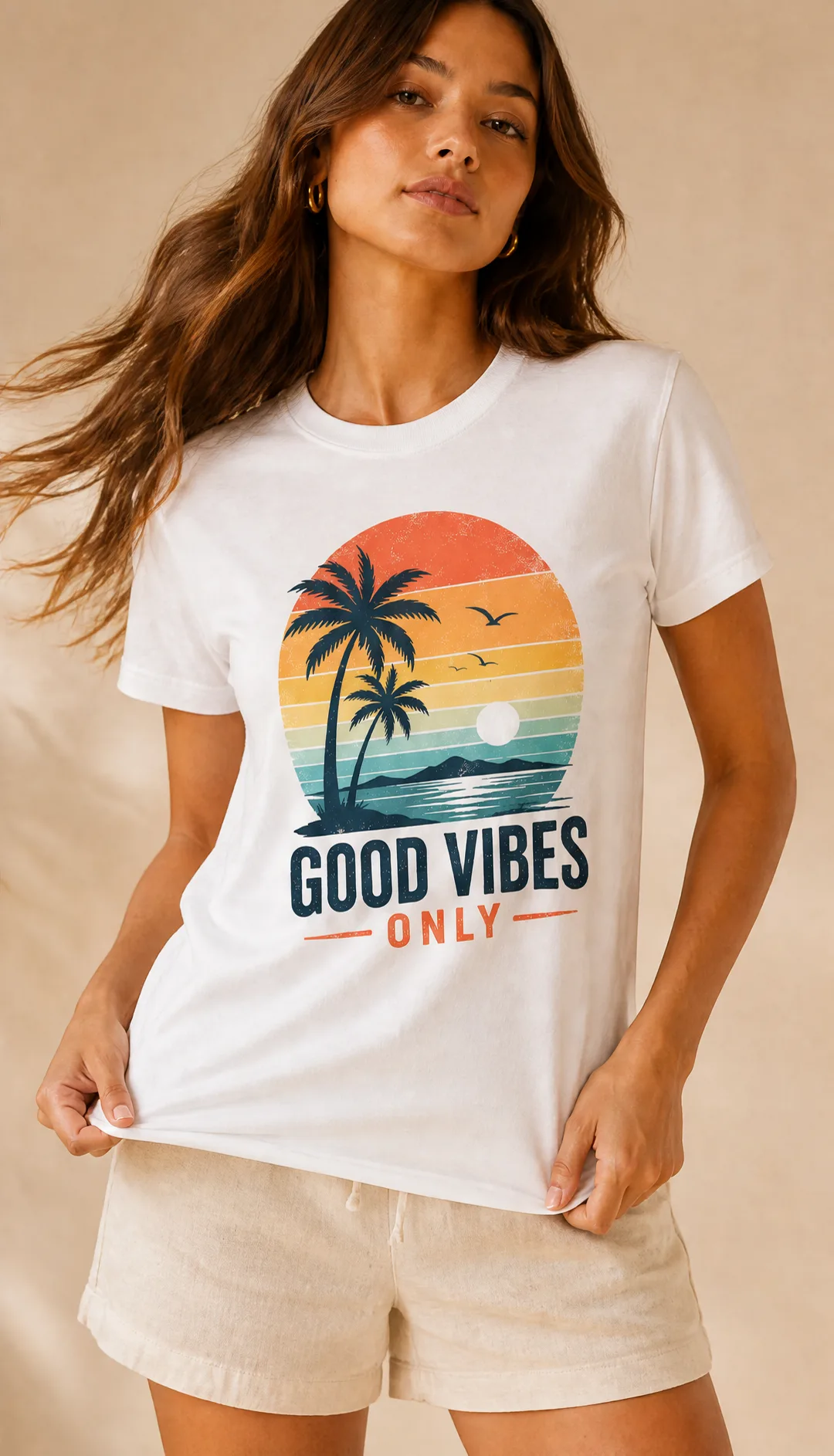
AI T-Shirt Mockup Generator
Turn one t-shirt design image into on-model print-on-demand mockups: a 2x2 photoshoot grid plus four cropped shots (wide, medium, close-up on the print, creative), for Etsy, Shopify, and POD storefronts.
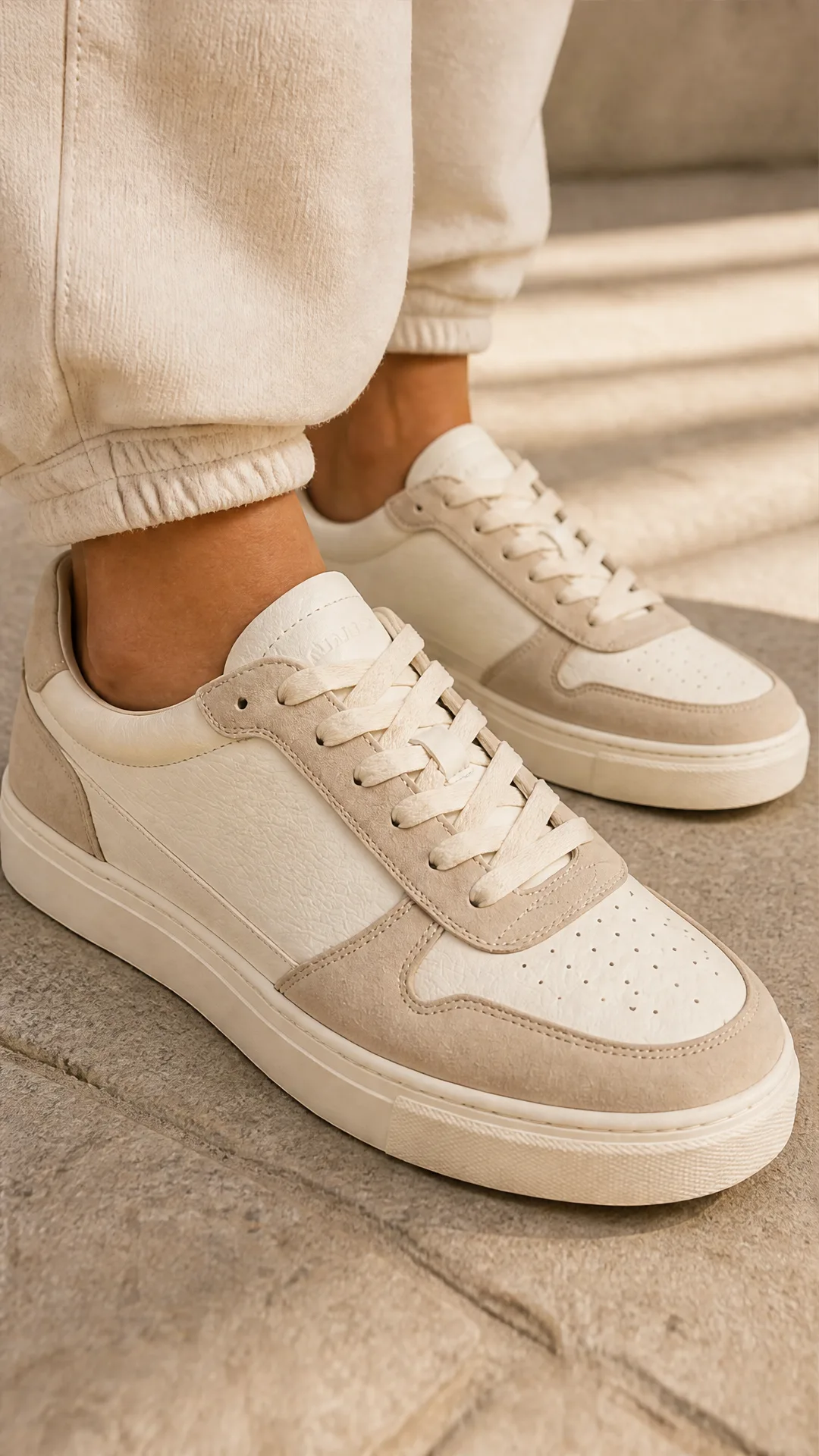
AI Sneaker Product Photo Generator
Generate sneaker product photos from a single shoe image: a 2x2 photoshoot grid plus four cropped shots (wide, medium, close-up, creative), in on-foot or product-only mode, for ecommerce listings, marketplaces, and ads.
GPT Image 2.5 Flare
Generate high-fidelity images with GPT Image 2.5 Flare, optimized for real typography, multilingual scripts, structured layouts, and print-ready formats up to 4K—ideal for editorial posters, comics, marketing assets, UI comps, and social graphics.
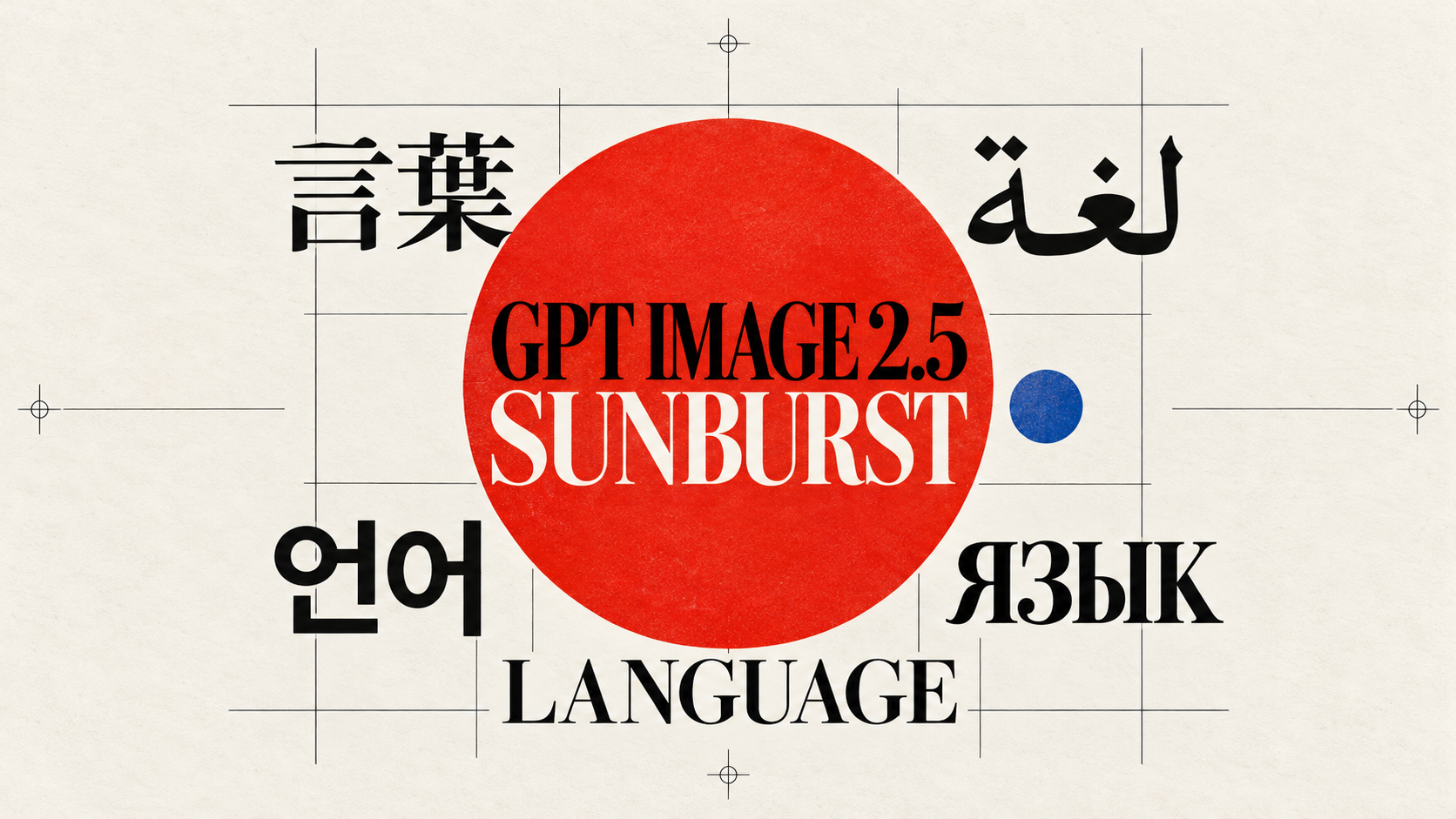
GPT Image 2.5 Sunburst
Generate high-fidelity images with GPT Image 2.5 Sunburst, optimized for real typography, multilingual scripts, structured layouts, and print-ready formats up to 4K—ideal for editorial posters, comics, marketing assets, UI comps, and social graphics.
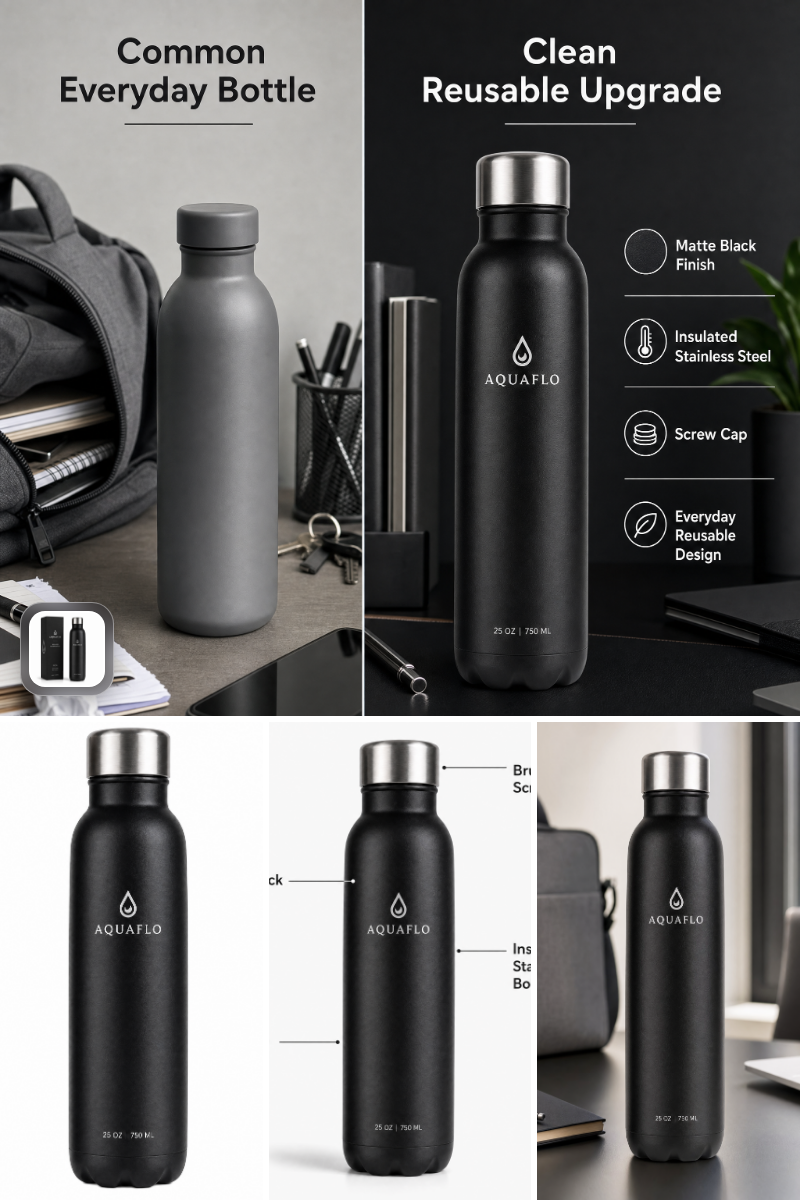
Amazon Listing Image Set Generator
Generate Amazon-ready main, lifestyle, feature, and comparison images from a single product photo—fast, compliant, and on-brand.
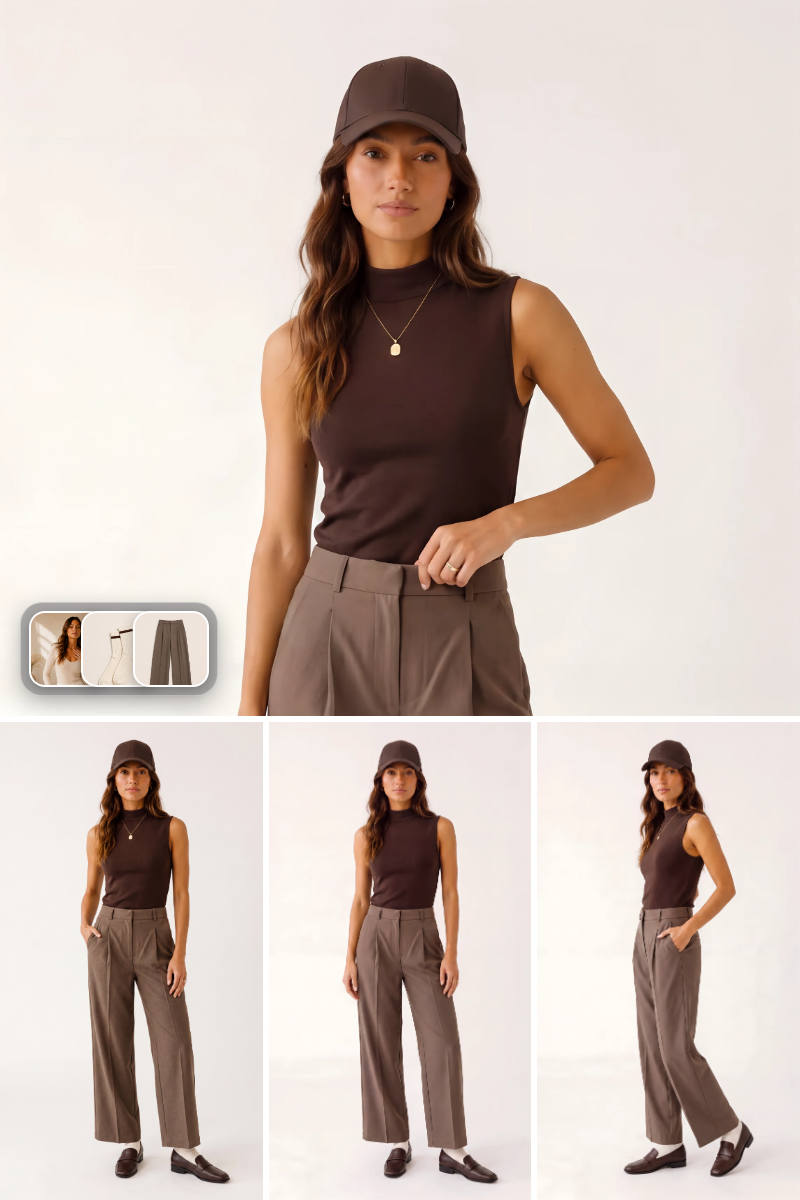
Fashion Photoshoot Generator
Generate photorealistic on‑model fashion photos from a subject photo and clothing references. Create anchor shots and pose‑variant galleries for lookbooks, ecommerce PDPs, and social campaigns with brand‑safe accuracy in color, fabric, and fit.
Frequently Asked Questions
How does the AI Skincare Product Photo Generator work?
Upload one clear image of your jar, tube, pump, or dropper. The workflow reads the packaging shape, finish, and label, then renders a 2x2 photoshoot grid plus four cropped images — wide, medium, close-up, and creative — with the same product carried consistently across every panel.
What product image do I need to upload?
A packshot, a 3D render, or a phone photo on a plain background. Straight-on, well-lit shots with no distortion work best, so the whole label stays sharp and readable.
Which skincare products does it work with?
Moisturisers and creams, serums and ampoules, cleansers, toners and mists, eye creams, masks, balms, oils, body lotion, and suncare — across jars, tubes, pumps, droppers, and airless bottles.
Will the label text stay legible?
The workflow locks the packaging identity from your source image and keeps the close-up panel as the label reference shot. Very small print is the hardest case — start from the highest resolution you have, and proofread the result.
Can I show the product held or being applied?
Yes. On-model mode produces shots where the product is held in hand or applied to skin, which is how you communicate texture, finish, and the application gesture itself.
Can I generate packshots without a person?
Yes. Switch the photoshoot mode to product-only and the grid is composed around the product itself, with commercial framing and lighting — suited to product pages, minimal flat lays, and bathroom-shelf scenes.
How do I keep a whole range looking consistent?
Run one generation per SKU, from each product's own image, then reuse the same model reference and the same style instructions. The full routine then shares one setting, one light, and one art direction.
Can I control the setting, lighting, and style?
Yes, through the style instructions field, in plain language — for example "soft morning light, marble shelf, clean beauty mood". Your instructions are folded into the master prompt alongside what the workflow inferred from your images.
Which aspect ratio should I use for a beauty product page?
Square suits product pages and marketplace listings, portrait suits on-model and social placements, and landscape suits banners and collection headers.
Can I use these images to sell my skincare products?
Yes, for product pages, marketplaces, advertising, email, and social media, provided you hold the rights to the product photo and to any model image you supply. Cosmetics are regulated, so verify that the final visual does not alter or invent any ingredient, volume, or benefit claim, and follow the rules of your market and publishing platforms.
What is AI-FLOW and how can it help me?
AI-FLOW is an all-in-one AI platform that allows you to build, integrate, and automate AI-powered workflows using an intuitive drag-and-drop interface. Whether you're a beginner or an expert, you can leverage multiple AI models to create innovative solutions without any coding required.
Is there a free trial available?
Yes, AI-FLOW offers a free trial to get you started. After that, you can purchase credits as needed—no subscription or long-term commitment required.
Can I integrate my API keys from providers like OpenAI and Replicate with AI-FLOW Cloud Version ?
Yes, you can easily integrate your existing API keys with AI-FLOW. If specified, nodes related to the API key provided will use your API key, significantly reducing your platform credit usage.